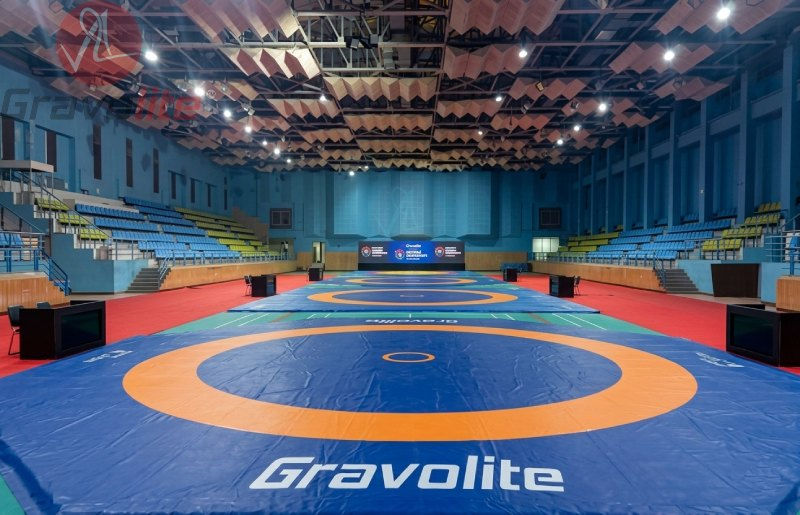
Martial Arts Mats: The Complete Guide to Choosing the Right Training Mats

Whether you run a martial arts academy, MMA gym, school, sports facility, or home training space, the floor beneath the athlete matters. Martial Arts Mats are designed to provide cushioning, grip, stability, and impact protection during demanding training sessions.

What Are Martial Arts Mats?
Martial Arts Mats are specially designed sports flooring products used for combat and martial arts training. They are commonly used in disciplines such as:
MMA
Karate
Taekwondo
Judo
Wrestling
Kickboxing
Grappling
Self-defence training
General combat sports
Unlike ordinary gym flooring, martial arts mats are designed around the specific movements and impacts involved in combat sports.
Why Are Martial Arts Mats Important?
Martial arts training involves repeated movement and impact. Athletes may fall, roll, jump, grapple, or perform takedowns hundreds of times during regular training.
A properly selected mat helps create a more suitable training environment.
Types of Martial Arts Mats
There is no single mat that is perfect for every martial arts discipline. The correct choice depends on the sport, training style, impact level, and facility.
1. MMA Mats
MMA Mats are designed for mixed martial arts environments where athletes perform striking, grappling, takedowns, and ground techniques.
An MMA training surface should offer a practical balance between cushioning, durability, grip, and movement.
For an MMA gym, consider:
Training intensity
Frequency of use
Type of grappling activity
Athlete level
Required cushioning
Available floor area
2. Interlocking Martial Arts Mats
Interlocking Martial Arts Mats feature puzzle-style edges that allow individual pieces to connect.
They are popular for training facilities because they can be installed without complicated permanent construction.
Advantages include:
Easy installation
Flexible layouts
Easy replacement
Expandable training areas
Convenient removal and storage
This makes them useful for academies, schools, studios, and multipurpose sports facilities.
3. Martial Arts Crash Mats
A Martial Arts Crash Mat is designed for situations where additional cushioning is required.
Crash mats can be useful for:
Throwing practice
Takedown drills
Breakfall training
Jumping exercises
Beginner practice
High-impact landing exercises
A crash mat is generally used when the primary requirement is additional impact protection rather than simply covering the entire training floor.
4. Puzzle Mat Flooring
Puzzle Mat Flooring uses interlocking sections that fit together like puzzle pieces.
This design provides flexibility because individual pieces can be removed, replaced, or rearranged.
It can be particularly useful when a facility requires flooring that can adapt to different room sizes or training layouts.
5. Folding Mats
Folding Mats are designed for portability and easy storage.
They can be folded when not in use and are suitable for:
Schools
Martial arts clubs
Temporary training spaces
Multipurpose halls
Home training areas
They are a practical option when permanent flooring installation is not required.
How to Choose the Right Martial Arts Mats
Choosing sports flooring only by price can result in the wrong product. Instead, evaluate the complete training environment.
1. Identify Your Sport
Start by identifying the primary discipline.
Judo and grappling involve frequent throws and falls. MMA involves both striking and ground work. Karate and Taekwondo may place greater emphasis on standing movement, kicking, and footwork.
Your sport should influence your mat selection.
2. Consider Mat Thickness
Thickness is an important factor, but thicker does not automatically mean better.
The appropriate thickness depends on:
Type of martial art
Expected impact
Training intensity
Athlete experience
Installation surface
Intended application
Always select thickness based on actual use rather than choosing the thickest option available.
3. Check Surface Grip
The surface should provide suitable traction while allowing athletes to move naturally.
A good training surface should support controlled footwork without unnecessarily restricting movement.
4. Evaluate Durability
For commercial academies and gyms, mats may be used for several hours every day.
Look for flooring designed to withstand:
Repeated impact
Heavy foot traffic
Regular cleaning
Frequent movement
Long-term training use
5. Think About Installation
Your facility layout also matters.
For a permanent academy, you may prefer a dedicated flooring system. For a multipurpose room, Interlocking Martial Arts Mats or Folding Mats may offer greater flexibility.
Why Choose Gravolite for Martial Arts Mats?
Choosing a sports mat supplier is just as important as choosing the mat itself.
Gravolite has decades of experience in sports mat manufacturing and provides flooring solutions for different sports and training environments.
A professional supplier can help you evaluate your requirements instead of simply recommending a standard product.
Before placing a bulk order, discuss:
Sport and application
Required mat dimensions
Thickness
Surface requirements
Training intensity
Installation area
Quantity
Customization requirements
Delivery location
This is especially important for academies, schools, sports complexes, government facilities, and professional training centres. Visit Us
Frequently Asked Questions About Martial Arts Mats
Which mats are best for martial arts training?
The best option depends on the martial art and training activity. Interlocking mats, MMA flooring, training mats, crash mats, and folding mats can each serve different purposes.
Are Puzzle Mats suitable for martial arts?
Yes, Puzzle Mat Flooring can be suitable for various training applications when the material, thickness, density, surface, and cushioning are appropriate for the sport.
What are Martial Arts Crash Mats used for?
Crash mats provide additional cushioning for activities involving throws, takedowns, falls, jumps, and other higher-impact movements.
Can Martial Arts Mats be customized?
Depending on the manufacturer and application, customization may be available for dimensions, thickness, colors, branding, or layout.
How do I calculate how many mats I need?
Measure the total training area first. Then calculate the required coverage based on the dimensions of the selected mat. For large academies, it is advisable to consult the supplier before ordering.